Most commercial property owners and homeowners are already feeling the pressure to find roofing solutions that reduce utility bills without compromising performance or longevity. The reason is straightforward- the energy costs keep climbing year after year. That’s exactly where Thermoplastic Polyolefin roofing comes into the picture.
Currently, TPO is one of the fastest-growing roofing systems in the United States.
TPO succeeds because it delivers results, not because of marketing buzz. It gets the job done efficiently by delivering a smart mix of energy, durability, affordability, and environmental responsibility. Now, most homeowners find it to be a real solution to skyrocketing operating costs and tough climates.
Let’s understand how this particular type of roofing has earned so much trust, and how it keeps delivering real savings and dependable performance.
A clear explanation of TPO roofing:
TPO stands for Thermoplastic Poly Olefin. It combines the best features of rubber (EPDM) and PVC roofs, offering waterproofing with easier, more reliable seam sealing. It is a single-ply membrane system that comes from a blend of polypropylene and ethylene-propylene rubber. The membrane is flexible, long-lasting, and built to handle harsh climates.
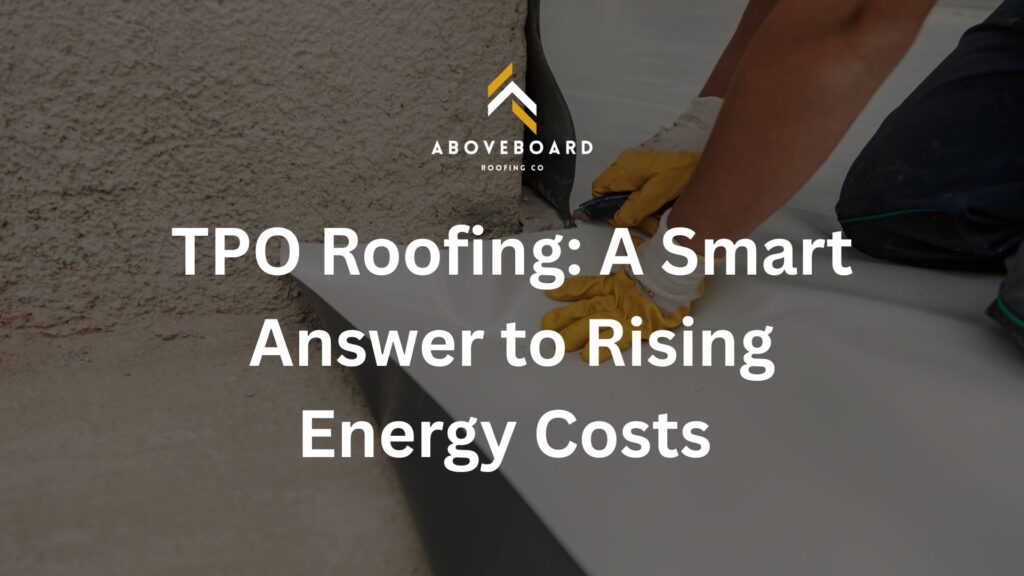
TPO membranes come in large rolls and are heat-welded into one seamless, watertight surface. It’s not at all patchwork of glued joints.
The reflective, lightweight design keeps buildings cooler, installs faster, reduces structural strain, and helps lower labor costs.
Let’s look at the potential market growth of this roofing.
TPO roofing: A growing market backed by demand:
The overall market indicates clear growth, as industry research shows that it is expected to reach about $2.9 billion by 2030. Strong demand from commercial construction and energy-efficient roofing projects is fueling market growth.
The vital advantages of Thermoplastic Polyolefin roofing:
Here are the major benefits that homeowners can enjoy from TPO roofing-
Excellent energy-saving solution:
Energy efficiency is where TPO roofing really outruns the other roofing types as its reflective surface keeps heat out, helps indoor temperatures stay steady, and takes pressure off the AC. That means lower power bills over time, especially in hot areas. TPO also works hand in hand with many insulation options, letting owners fine-tune performance for their climate and energy goals. When the system works together, savings follow—and as TPO production continues to scale, pricing often becomes more competitive as well.
Built for durability and long-term protection:
A roof must hold up when conditions get tough, and durability is not optional; it’s mandatory. This particular roofing type is built to handle heat, UV exposure, moisture and everyday wear without showing any sign of breakdown. TPO roofing comes with a solid, reinforced surface to outperform glued or mechanically fastened systems. One of the great things about such roofing types is that repairs are simple and easily predictable, meaning fewer interruptions, less maintenance, and lower long-term costs for commercial buildings.
Environmentally friendly nature:
TPO roofing supports sustainability without giving up performance due to its recyclable membrane and reflective surface that helps reduce heat buildup in urban areas. It also helps cut emissions from power generation. Many manufacturers use responsible production methods, making TPO a solid option for projects focused on green building goals.
What to expect during the installation of TPO roofing:
From a contractor’s perspective, TPO is efficient to install. From an owner’s perspective, efficiency means shorter timelines and reduced labor costs.
A standard TPO roofing installation typically includes:
1. Roof Surface Preparation
Existing roofing materials may be removed or prepared, depending on condition and system compatibility.
2. Insulation Installation
Insulation boards are installed to create a thermal barrier and enhance energy performance.
3. Membrane Placement
TPO sheets are rolled out and positioned across the roof surface.
4. Heat Welding
The heat welding process leverages specialized equipment to bond the systems into one continuous membrane. It primarily welds the seams.
5. Careful Inspection and Detailing
Professional TPO roofing experts leave no stone unturned to check seams, edges, penetrations, vents and drains to ensure a fully watertight finish.
Finally, this roofing stands out with strong solar reflectivity, resistance to tears and punctures, and faster, cleaner installation. The TPO roofing installation can be an excellent choice for you when you are dealing with rising energy costs or managing large buildings.
Also read: Does Home Insurance Cover Roof Leaks? Find Out Now